So, you bought a beautiful new bracelet, and you never want to take it off. I get it. I’ve definitely been guilty of wearing my favorite pieces 24/7. But when it comes to bedtime, jewelry owners often hesitate. Can you sleep with amethyst without ruining the bracelet or disrupting your rest?
The short answer is yes, physically, the stone can handle it. However, the elastic cord holding your bracelet together? That’s a different story. Plus, for those sensitive to crystal energy, amethyst might be a little too active for a deep slumber.
In this guide, we’ll look at the durability of your jewelry, the comfort factors you might not have thought of, and the cultural beliefs surrounding amethyst and dreams.
Is Amethyst Durable Enough for Bed?
First, let’s talk about the stone itself. If you toss and turn, you might worry about crushing a bead or chipping the crystal against a nightstand. Fortunately, amethyst is a variety of quartz, which is relatively tough.
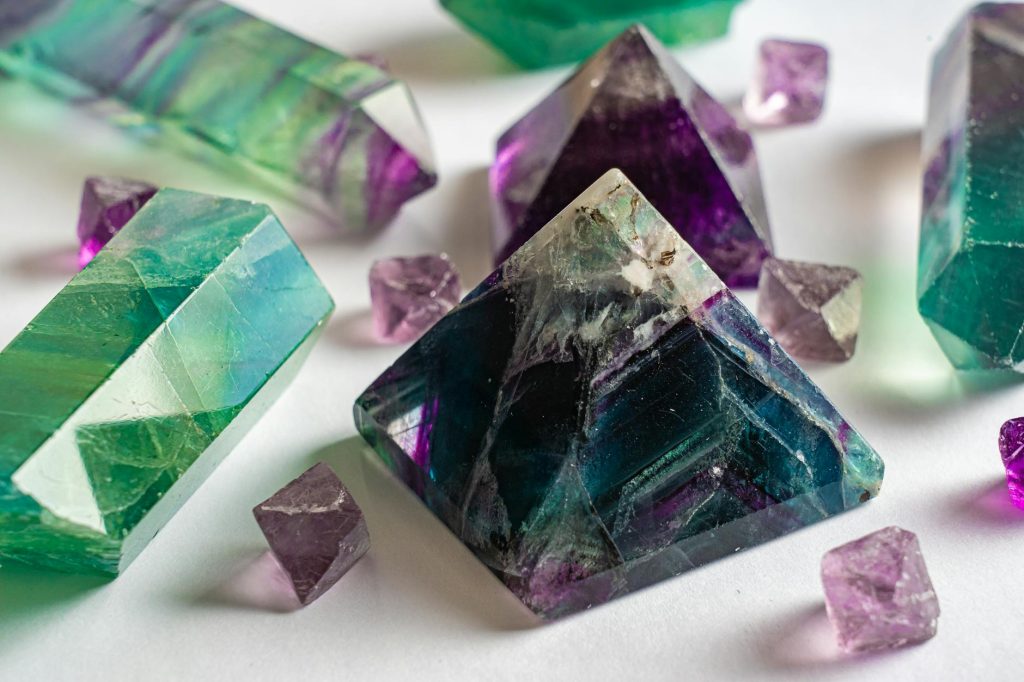
On the Mohs scale of mineral hardness, amethyst ranks at a solid 7. This means it is much harder than your bed frame, your glass water cup, or even the dust in the air (which often contains quartz particles). It is significantly more durable than softer gems like Fluorite (Mohs 4) or Selenite (Mohs 2), which could easily scratch or snap if you rolled over on them.
However, while the stone is safe, the jewelry structure is vulnerable.
The Risk to Elastic and Settings
Most crystal bracelets are strung on elastic cords. When you sleep, you create friction. If the bracelet snags on a loose thread in your sheets or gets caught under your body weight while you twist, that elastic stretches. Over time, this micro-stretching weakens the structural integrity of the bracelet.
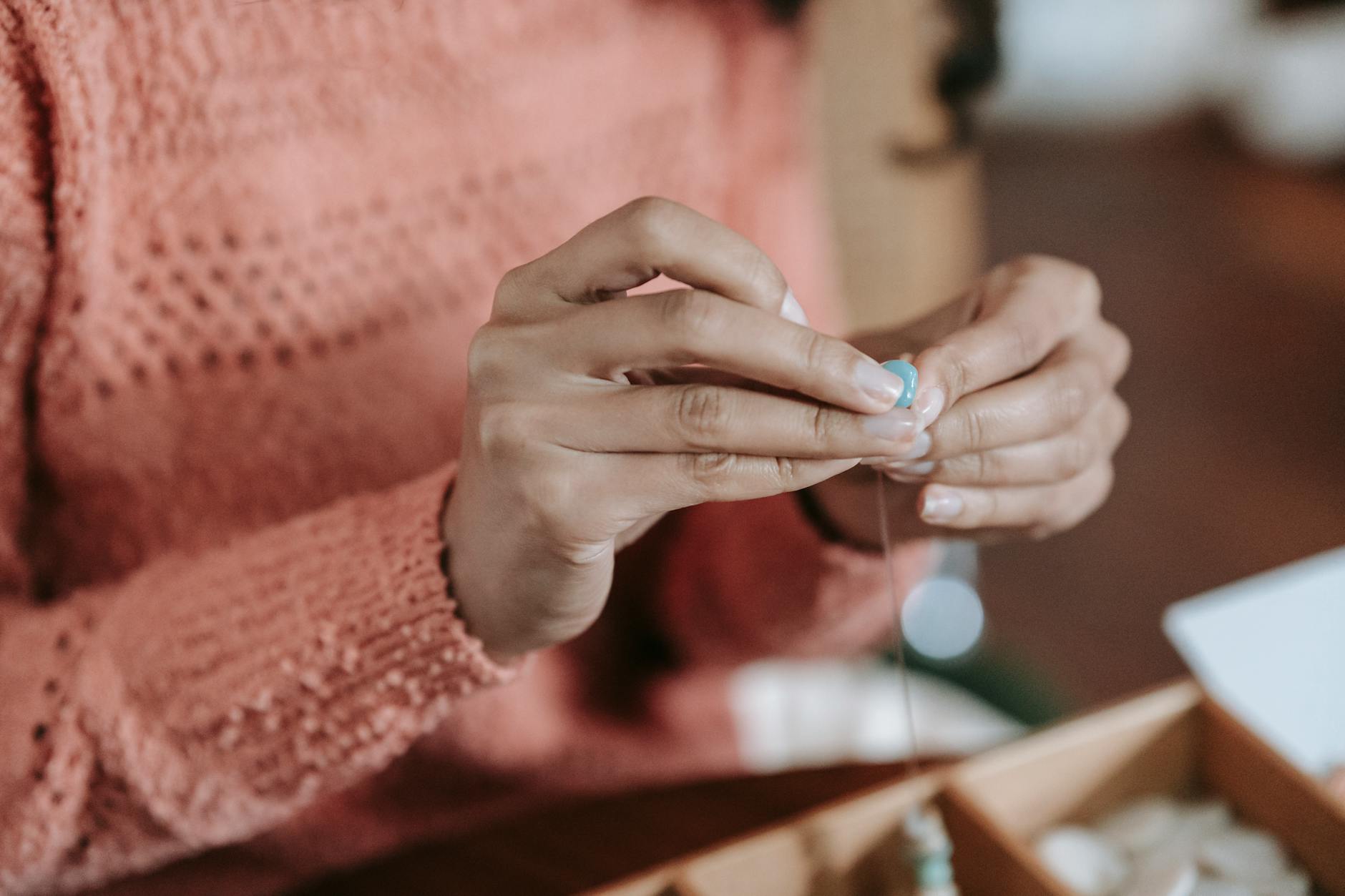
Pro Tip: If you must wear it to bed, ensure your bracelet is slightly loose. A tight fit combined with wrist swelling (which happens naturally overnight) can cut off circulation or snap the cord.
Comfort: Bead Size Matters
If you are determined to keep your jewelry on, comfort becomes the main priority. Not all amethyst crystal jewelry is created equal when it comes to sleeping.
- 6mm Beads: These are the “Goldilocks” size for sleep. They are small enough to not press painfully into your wrist if you sleep on your arm. Simple, round 6mm bead designs also tend to move more naturally with the wrist during rest.
A piece like the Royal Amethyst Wisdom Bracelet offers a clear example of what a sleep-friendly amethyst bracelet typically looks like. - 10mm+ Beads: These can feel like sleeping on rocks. Large chunky beads are great for statement pieces but terrible for pillow talk.
- Prong Settings: Avoid these. A sterling silver ring with high prongs is a recipe for snagging your pillowcase or scratching your face mid-dream.
The “Vivid Dream” Debate
Beyond physical durability, there is the metaphysical aspect. In crystal lore, amethyst is known as a stone of the “Third Eye” and crown chakra. While many people use it as a soothing stone, others find it mentally stimulating.
Some wearers report that sleeping with amethyst triggers lucid dreaming or very vivid, sometimes chaotic, imagery. If you are sensitive to energy or prone to nightmares, wearing amethyst might actually keep your mind too active to settle down. In these cases, you might prefer softer calming stones like Rose Quartz or Blue Lace Agate.
Note: These experiences are subjective and based on cultural beliefs. For chronic insomnia or sleep disturbances, always consult a healthcare professional.
Cheat Sheet: Wear It vs. Pillow Method
Can’t decide? Here is a quick breakdown to help you choose the best method for your nightly routine.
| Factor | Wearing It | Under The Pillow |
|---|---|---|
| Crystal Safety | Moderate (Elastic risk) | High (Very safe) |
| Comfort | Varies (Bead size dependent) | Excellent (Can’t feel it) |
| Energy Connection | Constant physical contact | Gentle, ambient field |
| Maintenance | Requires frequent cleaning (Sweat/Oils) | Low maintenance |
Frequently Asked Questions
Common questions about keeping your amethyst close at night.
Will sleeping with amethyst damage the crystal?
The stone itself is hard (Mohs 7) and unlikely to break from contact with bedding. However, the elastic cord or metal clasp is vulnerable. Rolling over can snag the jewelry, leading to stretched cords or broken findings over time.
Can amethyst give you nightmares?
While usually viewed as calming, amethyst is believed by some to stimulate the mind and third eye, potentially leading to vivid or intense dreams. If you start having unsettled sleep, try moving the crystal to a nightstand instead of wearing it.
Is it better to wear amethyst or put it under a pillow?
Placing it under a pillow is generally safer for the jewelry and more comfortable for side sleepers. This method keeps the stone’s presence near you without the risk of cutting off circulation or snapping an elastic band.
How do I cleanse my amethyst after sleeping with it?
We sweat and shed skin cells while sleeping, so physically cleaning your jewelry is smart. A quick rinse in cool water with mild soap works for the stone. Metaphysically, many users suggest placing it in sunlight for 30 minutes to “recharge” it.
What other crystals are safe to sleep with?
If amethyst feels too intense, gentler stones are a great alternative. Rose Quartz is popular for emotional comfort, while Lepidolite is often used for its association with calm and anxiety relief due to its lithium content.