While the colors sit next to each other on the spectrum, they represent very different vibes in the jewelry world—and often, entirely different minerals. Whether you are a collector looking for high-grade turquoise jewelry or just love the moody aesthetics of teal, knowing the difference saves you from buying the wrong stone.
The Color Theory: Teal is Deep, Turquoise is Bright
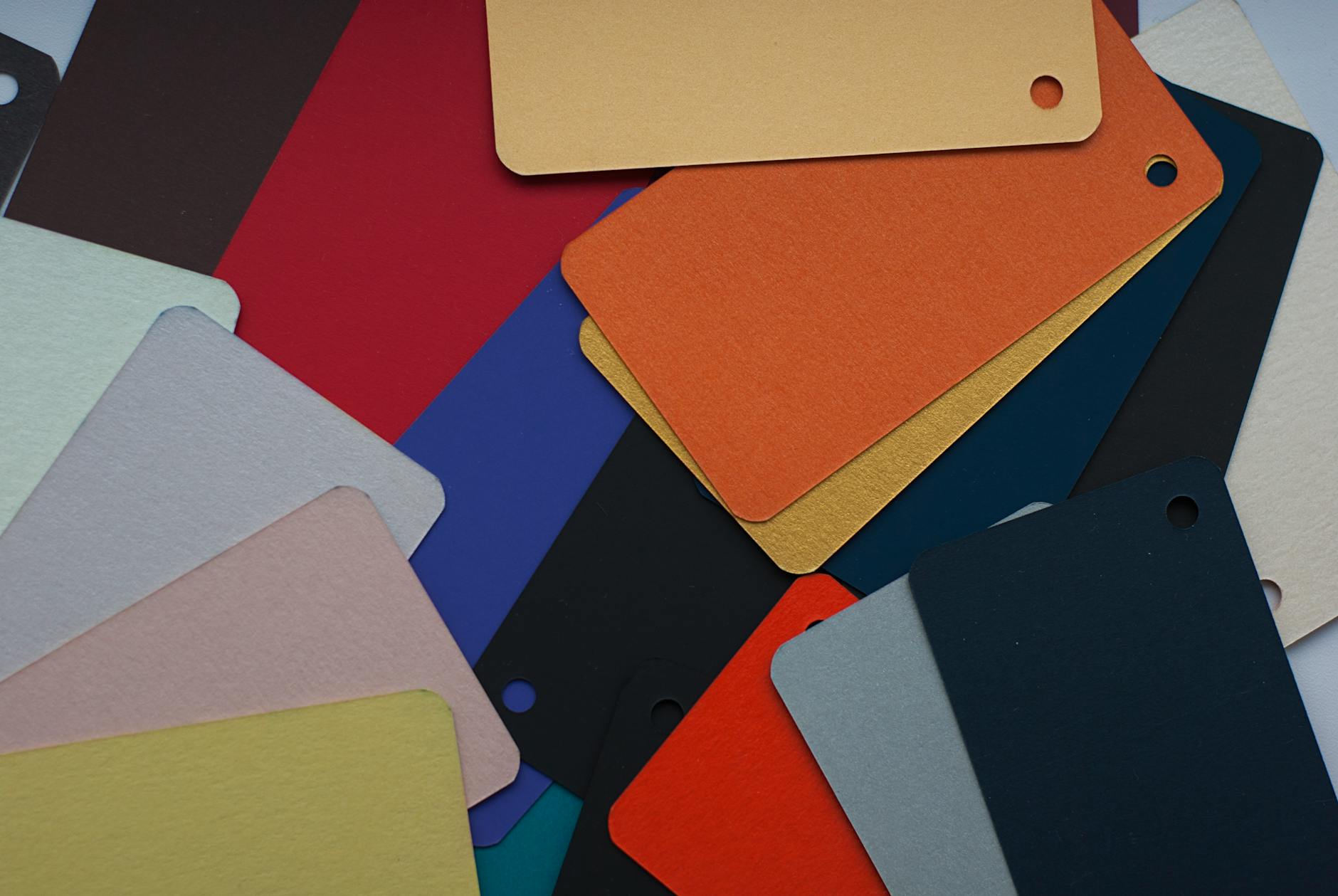
Before we talk about rocks, let’s talk about eyes. Visually, the distinction comes down to saturation and lightness. In design terms, turquoise is a cyan leaning toward blue-green, typically bright and energetic. It reminds most people of tropical ocean water.
Teal, on the other hand, is a medium-to-deep blue-green. It has lower “value” (meaning it’s darker) and often contains more gray or black undertones. It feels more sophisticated, grounded, and moody.
If you are shopping online, look for these visual cues:
- Turquoise: High energy, opaque, often light blue to apple green.
- Teal: Rich, lower contrast, deep ocean depth, often translucent (unless it’s a matte stone).
Gemstone Reality: Mineral vs. Market Name
Here is the biggest differentiator for crystal lovers: Turquoise is a mineral. Teal is just a color.
Genuine turquoise is a hydrated phosphate of copper and aluminum. It is an opaque stone that has been prized for thousands of years. According to the Gemological Institute of America (GIA), the most valuable turquoise is an intense medium blue, but it naturally ranges into greens.
“Teal” isn’t a specific stone. When you search for teal jewelry, you are usually looking at:
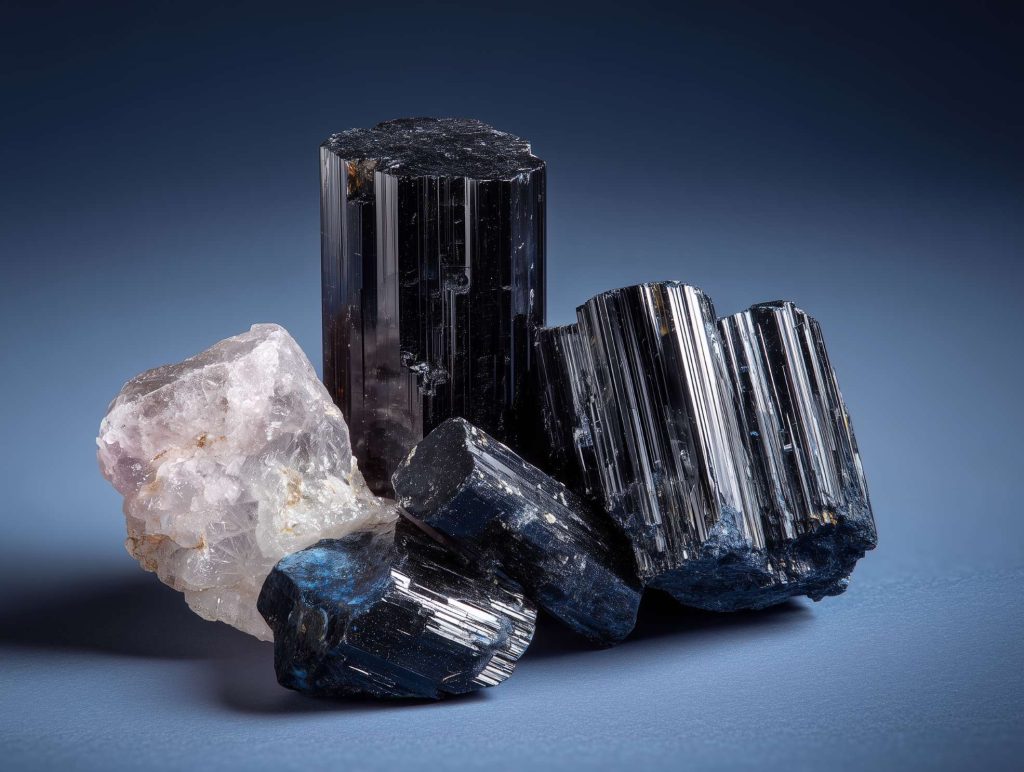
- Blue Apatite: Often a deep, electric teal.
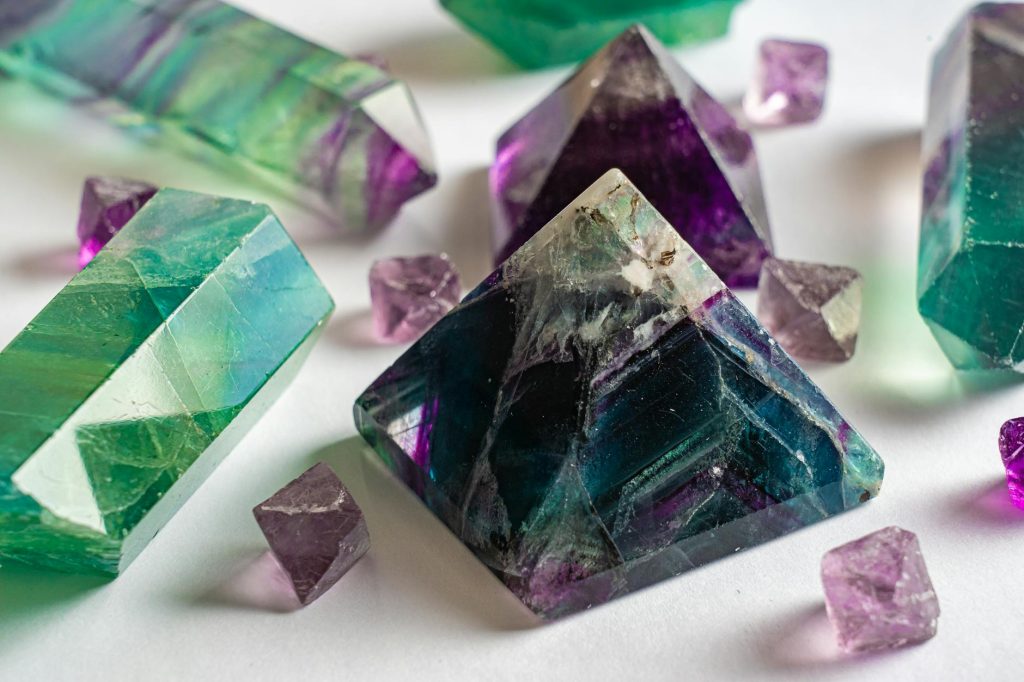
- Green Fluorite: Can appear teal in certain lights (check out green fluorite for that glassy, underwater look).
- Amazonite: Usually lighter, but some Russian Amazonite has a teal hue.
- Dyed Agate: Very common in cheaper jewelry.
The Exception: Can Turquoise Be Teal?
Yes, but it is specific. While the classic “Sleeping Beauty” turquoise is robin’s egg blue, other varieties like Tibetan or Hubei turquoise naturally occur in dark turquoise and olive greens. These stones contain more iron, which shifts the blue toward green.
If you see a natural stone labeled “Teal Turquoise,” inspect the matrix (the web-like veins). Genuine Tibetan turquoise often has a heavy black matrix and a deep, dusty green-blue color that qualifies as teal. It is a stunning, earthy look that pairs beautifully with brass or gold.
Quick Comparison Guide
Use this table to decide which stone fits your needs.
| Feature | Turquoise | Teal Stones |
|---|---|---|
| Primary Vibe | Bright, energetic, boho, summer | Moody, sophisticated, autumn/winter |
| Common Minerals | Turquoise (Copper/Aluminum) | Apatite, Fluorite, Tourmaline, dyed stones |
| Price Point | Moderate to Very High (for natural) | Varies (Fluorite is affordable; Tourmaline is pricey) |
| Best Metal Pair | Sterling Silver (classic SW look) | Gold or Brass (warms up the blue-green) |
How to Spot Fakes and Dyed Stones
Because the teal aesthetic is trendy, many sellers dye Howlite or Magnesite a deep blue-green and sell it as “Teal Turquoise.”
To identify genuine stones versus dyed fakes, look at the cracks. If the color is concentrated in the hairline fractures of the stone, it’s likely dyed. Natural turquoise has color consistent throughout the material, or a matrix that sits distinctly separate from the color—not “bleeding” into it. Mindat notes that natural turquoise is relatively soft (Mohs 5-6), so be wary of “turquoise” that feels plasticky or suspiciously perfect.
Frequently Asked Questions
Is teal considered the same as turquoise?
No. Visually, turquoise is lighter and energetic, sitting between blue and green. Teal is a darker, medium-deep shade with more grey or black undertones. In geology, turquoise is a specific mineral, while teal is just a descriptive color name used for various gems.
What gemstones are naturally teal?
Since “teal” isn’t a mineral, look for Blue Apatite, Teal Fluorite, or Indicolite Tourmaline. Some natural dark turquoise, specifically from Tibet or Hubei, can also appear dark enough to be described as teal.
Does teal or turquoise look better with gold jewelry?
Teal looks incredibly rich with gold or brass because the warm yellow metal highlights the deep green undertones. Turquoise jewelry is traditionally paired with silver for a Southwestern look, though high-contrast gold settings are becoming popular in fine jewelry.
Is there such a thing as dark turquoise?
Yes. Natural turquoise ranges from pale sky blue to deep apple green. Tibetan Turquoise is famous for its darker, greener hues. However, be careful with very uniform, dark stones, as they may be dyed Howlite.